Financial systems strategy
Set transformation priorities across core finance, planning, reporting, and operating teams.
Work
Enterprise financial transformation, governed AI implementation, and independent products built around how work actually moves.
Enterprise transformation
At Omnicom Group, I lead financial applications work across systems, planning, reporting, delivery, controls, and enterprise AI.
This is the leadership surface: how a finance transformation moves from requirements to adoption without exposing internal systems, data, or client work.
Interactive capability map
An interactive, public-safe view of the platforms, operating capabilities, and outcomes represented across the published case studies.
Platforms
Governed finance layer
Operating outcomes
Leadership scope
Enterprise-scale leadership is not a title treatment. It is the ability to make systems, controls, teams, and decisions work together.
Set transformation priorities across core finance, planning, reporting, and operating teams.
Translate requirements into architecture, governance, UAT, cutover, and post-launch operating plans.
Create governed ways for authorized users to analyze finance data in plain language.
Build control evidence, access discipline, and release readiness into the delivery model.
Enterprise AI implementation
Not a public chatbot and not a claim that AI replaces finance judgment. The implementation is about governed context, useful questions, reviewable outputs, and a controlled rollout.
Define approved data domains, ownership, access boundaries, and the questions each audience can answer.
Give authorized finance users a constrained way to ask questions, inspect supporting context, and move into analysis.
Test scenarios, capture feedback, validate access, and release in measured phases with accountable owners.
The portfolio shows the operating model, not internal prompts, models, financial data, source systems, or employee access patterns.
Enterprise implementation work
Each project shows the business problem, how the operating model was implemented, controls and delivery constraints, and a public-safe outcome. The first seven go deeper: why the work matters to AI-native finance teams, the capabilities it demonstrates, and the architecture. No client, employee, financial, or configuration detail is published.
Platform & data
Finance teams want faster answers, but an unrestricted natural-language route into sensitive data can return unverifiable results or bypass access controls. The layer has to enforce what each user can ask and see, tie every answer to an approved view, and let the user inspect and challenge the result.
Controls & assurance
Control owners have to identify reconciling differences between the general ledger and supporting records, resolve the exceptions, and then show that reporting controls operated as designed. When that evidence lives in spreadsheets and email threads, every internal audit and external assurance request turns into a manual reconstruction.
Platform & data
Planning models decay when the cube, dimension, and rule structure stops matching how finance actually plans, leaving fragile views, unclear ownership, and slow change cycles. Small edits then carry outsized risk because there is no clear validation step before a change reaches users.
Platform & data
Finance and operations lose time when teams work from disconnected extracts, inconsistent mappings, and unclear ownership across ERP and analytical platforms. Without an authoritative source and reconciled mappings, every report becomes a negotiation about whose numbers are right.
Finance operations
Acquired entities arrive with their own planning structures, ownership, fiscal calendars, and local records, and finance has to fold them into the target operating model without breaking reconciliation or losing cutover control. Done informally, entity onboarding drags across reporting periods and the combined forecast inherits gaps that are hard to trace later.
Finance operations
Finance scenarios drift from reality when workforce inputs, role and cost definitions, and access rules sit outside the planning model and are refreshed by hand. Headcount changes then reach the forecast late, and sensitive people data is either overshared or missing.
Decision intelligence
Real estate teams work from asset detail spread across leasing, valuation, and finance systems, so building a portfolio view means manual reconciliation and every conclusion is hard to trace back to a source. Leaders need one governed place to see which assets need attention and to ask follow-up questions without losing that source context.
Decision intelligence
Finance audiences need different views of the same data, but rebuilding a dashboard for each request is slow and tends to separate the commentary from the view it describes. Teams need a way to go from approved data to a decision-focused executive view, and to take plain-language edit requests, without treating every request as a fresh build.
Read case studyFinance operations
Working-capital decisions usually arrive after receivables, payables, cash, and inventory data has fragmented across ERP and operational systems, so operators cannot quickly tell a real cash problem from a timing or data-quality artifact. Finance needs a reviewable view that names the decision owner and the evidence behind each action.
Read case studyControls & assurance
ESG disclosures pull from operational, finance, workforce, and vendor systems, and each reported figure has to trace back to a source and a method for internal review and limited assurance. Without that lineage, assurance teams cannot answer where a number came from or how it was derived.
Read case studyControls & assurance
Enterprise finance changes become risky when test evidence, issue ownership, and compliance checks sit outside the release process and get reconstructed after go-live. Regulators and assurance teams increasingly expect the same discipline applied to AI-assisted work as to any other change in an audited reporting environment.
Read case studyPublic products
Independent product work across planning, finance, governance, coding workflows, and investment research.
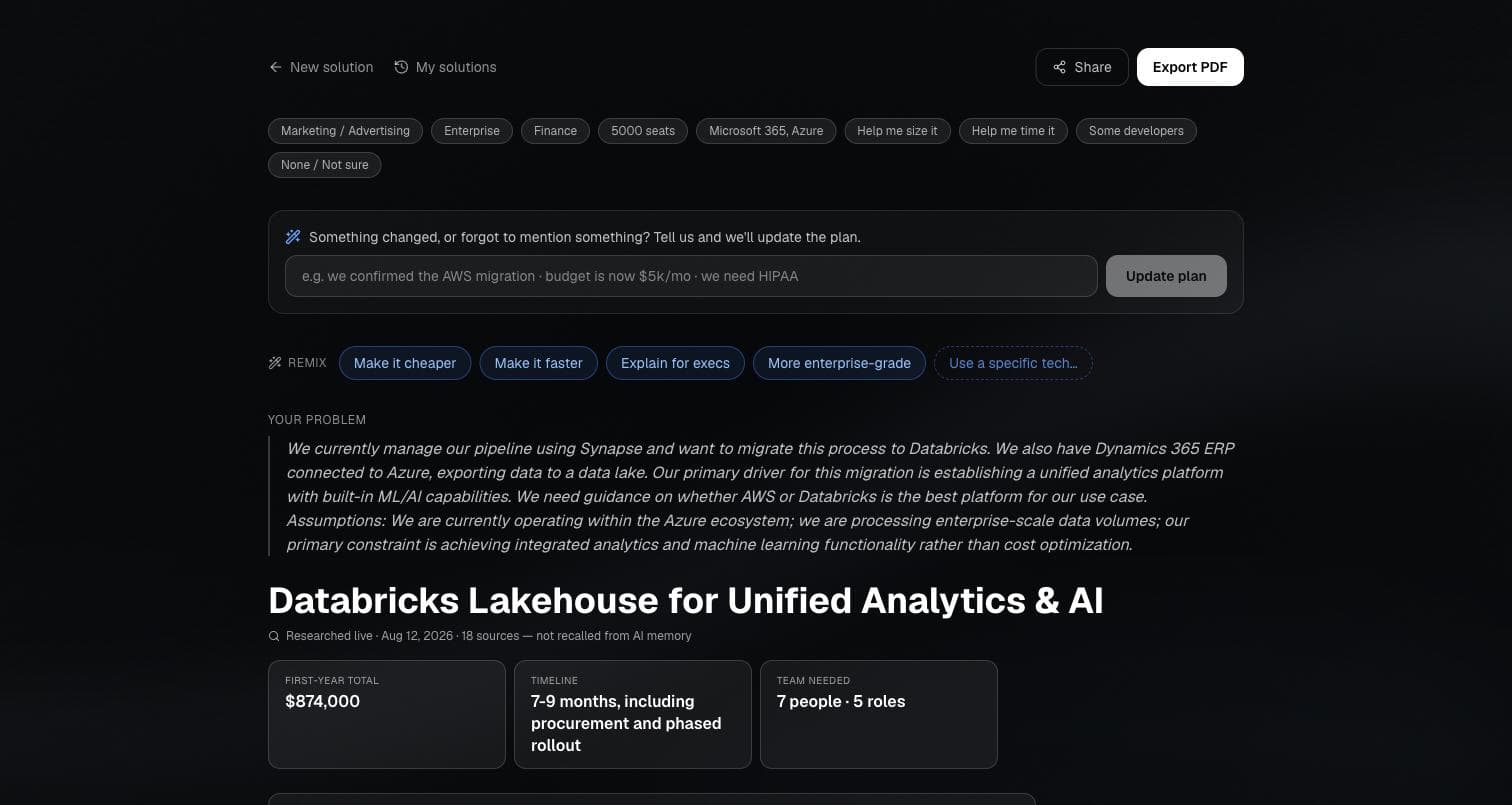
Turn a business problem into a researched, sourced implementation plan you can defend in a steering meeting.
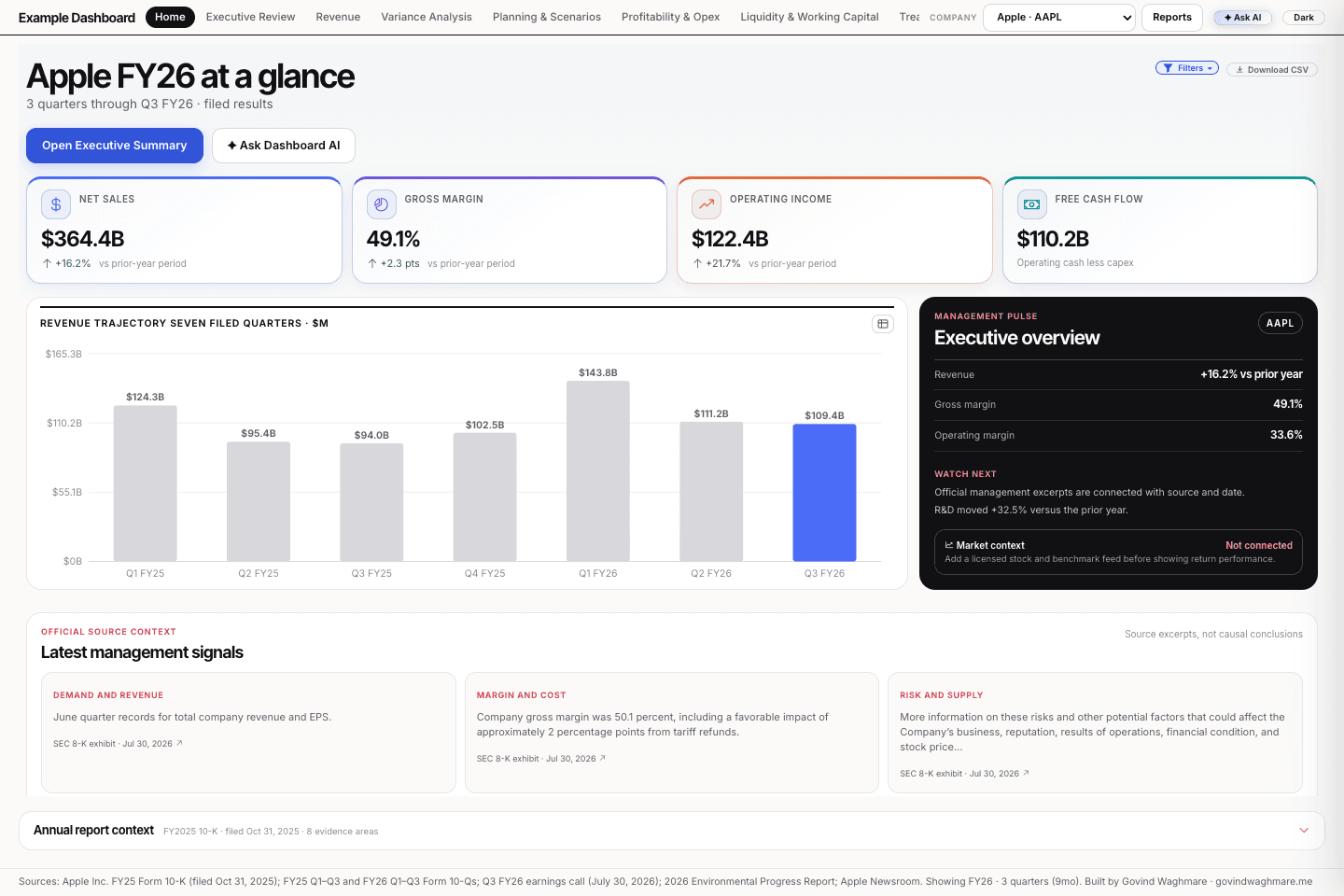
A multi-company FP&A workspace built on SEC-filed financials, with every figure traced to its source.
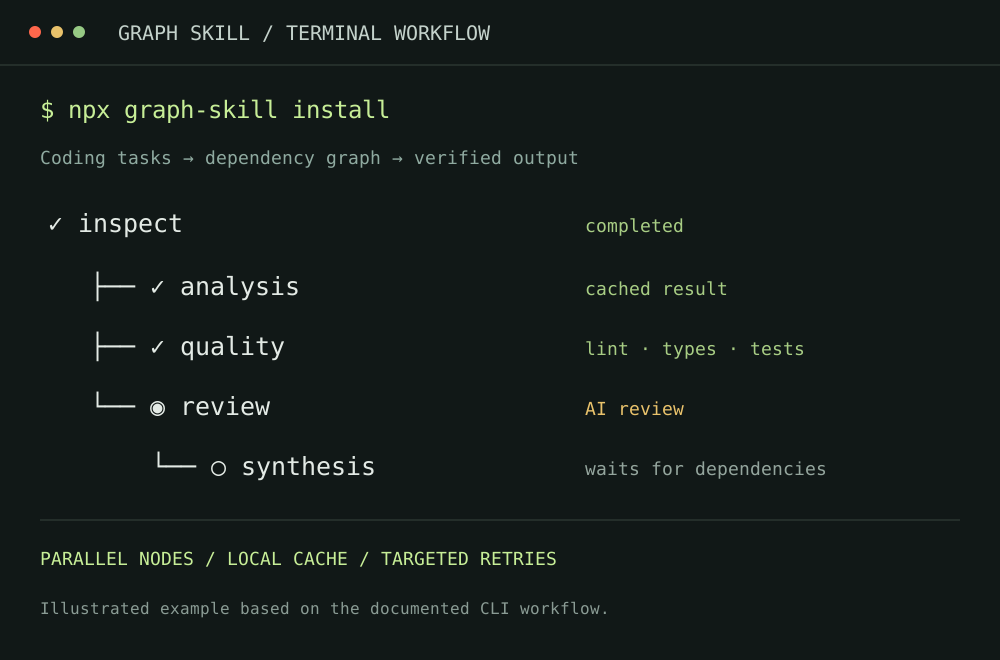
Run coding-agent work as a dependency graph: parallel independent steps, cached results, retries scoped to what changed.
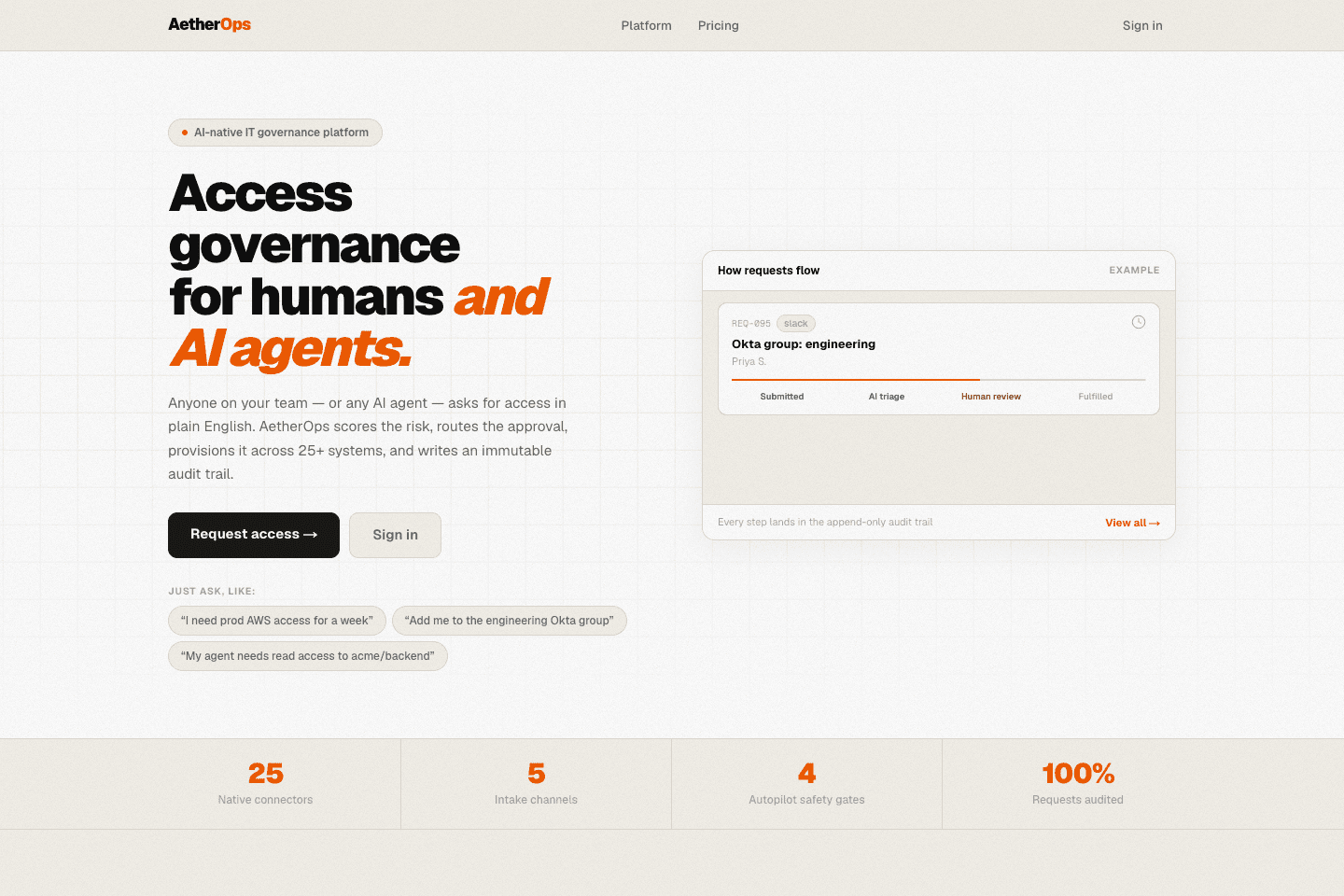
Access governance for people and AI agents: request in plain language, triage, review, provision, audit.
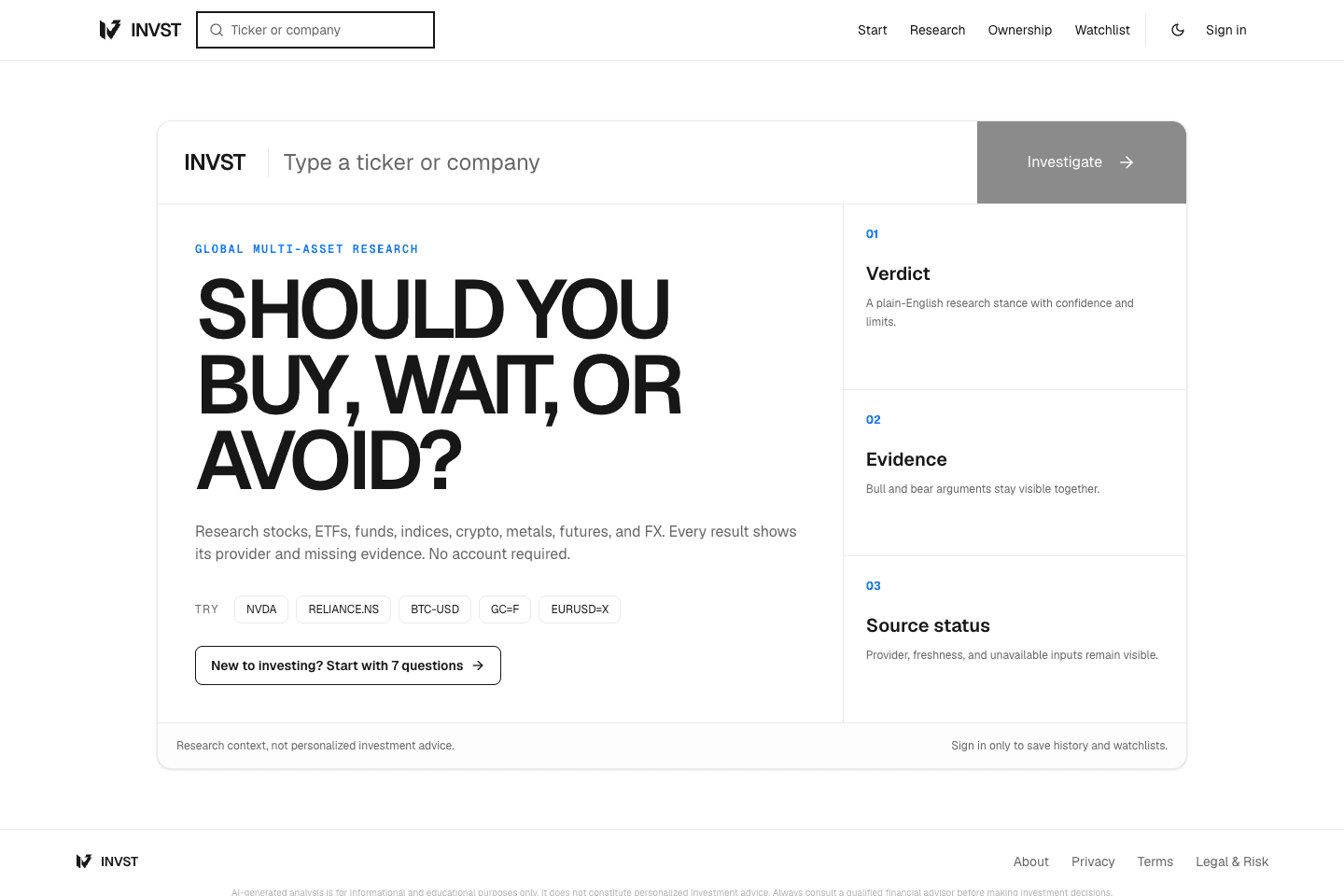
Multi-asset investment research that keeps the stance, the counter-case, and the evidence gaps in one view.